Introduction
Few works of art have preserved their beauty, prestige and cultural significance as successfully as authentic Persian rugs. For more than two thousand years, these extraordinary handwoven masterpieces have been admired not only as refined interior elements, but also as enduring expressions of Persian artistry, craftsmanship and cultural heritage.
Unlike factory-made carpets, every authentic Persian rug is individually hand-knotted by skilled artisans. A single piece may require months, and in some cases several years, to complete. Each knot reflects generations of knowledge, patience and artistic judgment, transforming natural fibres into a unique work of textile art.
Throughout history, Persian rugs have adorned royal palaces, distinguished residences, important museums and prestigious private collections around the world. Their timeless elegance continues to inspire architects, interior designers, collectors and art historians.
In an age increasingly shaped by mass production, authentic Persian rugs represent something rare: genuine craftsmanship created by human hands rather than machines. Their individuality, durability and artistic character allow them to remain relevant across generations and changing design trends.
What Makes a Persian Rug Authentic?
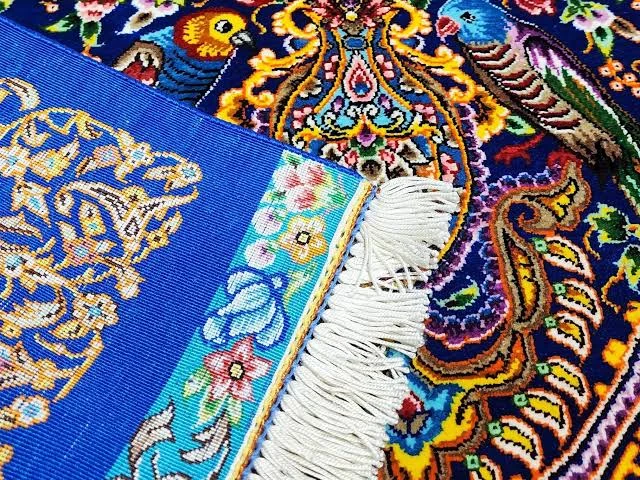
Authenticity is the defining quality of a genuine Persian rug. Only rugs woven by hand in Iran using traditional Persian techniques carry the cultural identity, artistic language and craftsmanship associated with true Persian weaving.
Every knot is tied individually. Slight variations in symmetry, texture or colour should not be seen as flaws. On the contrary, they are visible signs of handmade craftsmanship and contribute to the unique character of each piece.
Premium wool, natural silk, hand-spun fibres and traditional dyes create a depth, richness and durability that synthetic materials cannot easily reproduce.
For collectors and connoisseurs, authenticity is determined by the balance of craftsmanship, material quality, artistic composition, regional origin and historical continuity.
A Heritage Woven Through Centuries
The history of Persian carpet weaving extends back more than 2,500 years. The craft reached one of its greatest artistic heights during the Safavid era, when royal workshops in Isfahan, Tabriz, Kashan and Kerman produced carpets that are still admired in major museums and private collections today.
Every authentic Persian rug carries a part of this accumulated knowledge. Techniques, motifs and design principles have been passed from one generation to the next, preserving one of the world’s oldest and most distinguished artistic traditions.
The Beauty of Handmade Craftsmanship
Every authentic Persian rug is created one knot at a time through meticulous hand craftsmanship. Depending on its size, knot density and design complexity, a single rug may contain hundreds of thousands—or even millions—of individually tied knots.
This remarkable level of craftsmanship allows for extraordinary precision and artistic detail that cannot be replicated by machine production. No two hand-knotted Persian rugs are ever exactly alike, making every piece a genuine original. It is this combination of individuality, technical mastery and timeless beauty that has earned Persian rugs their reputation as some of the world's finest textile artworks.
Natural Materials – The Foundation of Timeless Quality
The exceptional quality of an authentic Persian rug begins with the careful selection of natural materials. Premium wool provides resilience, warmth and long-lasting durability, while natural silk adds brilliance, softness and the ability to create exceptionally intricate patterns with remarkable clarity.
Traditional natural dyes are equally important. Derived from plants, roots, bark, minerals and other organic sources, these dyes produce rich, vibrant colours that mature beautifully over time. Rather than fading, they develop greater depth, harmony and character with age.
The combination of superior natural fibres and centuries-old dyeing techniques gives every Persian rug its distinctive appearance and lasting elegance.
How an Authentic Persian Rug Is Made
Creating a hand-knotted Persian rug requires patience, precision and generations of accumulated knowledge. The process begins with selecting the finest wool or silk, spinning the fibres by hand and preparing natural dyes using traditional methods.
Once the design has been finalised, the loom is prepared and every individual knot is tied by hand according to the chosen pattern. After weaving is complete, the rug is carefully sheared, washed, stretched and inspected to ensure it meets the highest standards of craftsmanship.
Depending on its size, materials and knot density, completing a single Persian rug may take several months—or even several years.
The Most Renowned Persian Weaving Regions
Each historic weaving region of Iran has developed its own distinctive artistic identity.
Tabriz is internationally recognised for its technical precision, intricate medallion compositions and exceptional pictorial rugs.
Isfahan is celebrated for elegant floral motifs, refined proportions and extraordinary weaving finesse.
Kashan is admired for its timeless designs, balanced colour palettes and classical Persian elegance.
Qom is renowned for producing luxurious silk rugs of exceptional quality, many of which are regarded as museum-worthy masterpieces.
Kerman is famous for its expressive floral patterns and sophisticated colour combinations, while Nain is recognised for its remarkably fine rugs featuring ivory and blue tones enhanced with delicate silk highlights.
Designs and Symbolism in Persian Rugs
The beauty of an authentic Persian rug extends far beyond its colours and patterns. Every motif tells a story, reflecting centuries of Persian culture, philosophy and artistic tradition.
The central medallion often symbolises harmony, balance and the universe itself. Floral designs represent life, renewal and prosperity, while the Tree of Life expresses spiritual growth and the connection between earth and heaven. Garden-inspired compositions evoke the image of paradise, and traditional hunting scenes celebrate courage, nobility and royal heritage.
Pictorial Persian rugs hold an especially important place in this artistic tradition. Inspired by Persian poetry, architecture, landscapes and historical events, they transform cultural narratives into extraordinary woven masterpieces that preserve history through textile art.
Persian Rugs vs. Oriental Rugs – Understanding the Difference
Although the terms Persian rug and Oriental rug are often used interchangeably, they are not synonymous.
An Oriental rug refers to any handmade rug produced across the broader regions of the Middle East, Central Asia and parts of Asia. A Persian rug, however, is woven exclusively in Iran using traditional Persian weaving techniques that have been refined over thousands of years.
Every Persian rug is therefore an Oriental rug, but not every Oriental rug is a Persian rug. The distinction lies in its origin, artistic heritage, regional identity and the exceptional craftsmanship that has made Persian rugs internationally recognised as the benchmark of handmade carpet weaving.
The Importance of Knot Density
Knot density is one of the most recognised indicators of a Persian rug's technical quality. A higher knot count allows weavers to create finer details, smoother curves and increasingly sophisticated patterns.
However, experienced collectors never judge a Persian rug solely by its knot density. The overall quality of craftsmanship, the harmony of the design, the excellence of the natural materials, the richness of the colours and the authenticity of the weaving tradition are equally important.
The true value of an authentic Persian rug is always determined by the perfect balance of all these qualities rather than by a single technical measurement.
How to Recognise an Authentic Persian Rug
Several characteristics help distinguish an authentic Persian rug from machine-made or imitation carpets.
The back of the rug should clearly reveal individually hand-tied knots rather than a uniform machine backing. High-quality wool or silk should feel soft, natural and resilient, while slight irregularities in pattern or texture are normal signs of genuine handmade craftsmanship rather than imperfections.
Natural dyes also provide important clues. Their colours possess remarkable depth and gradually develop even greater richness and character over time instead of fading unevenly.
Finally, provenance plays a significant role. Reliable documentation, certificates of authenticity and a clearly established origin provide additional confidence in a rug's authenticity, artistic significance and long-term value.
Why Provenance Matters
The provenance of an authentic Persian rug—its documented history of ownership and origin—is one of the most important factors in determining its authenticity and long-term value. Records of previous ownership, exhibition history, certificates of authenticity and professional appraisals strengthen confidence in a rug's legitimacy while highlighting its cultural and historical significance.
A well-documented provenance not only tells the story of a remarkable work of art but also enhances its appeal to collectors, museums and discerning buyers around the world.
A Practical Buying Guide for Authentic Persian Rugs
Purchasing an authentic Persian rug is an investment in craftsmanship, culture and enduring quality. Taking the time to make an informed decision ensures that your investment will be appreciated for generations.
Begin by considering where the rug will be placed and selecting the appropriate size for the space. Next, decide whether a wool rug, a silk rug or a combination of both best suits your aesthetic preferences and practical needs.
Rather than focusing solely on price, evaluate the quality of the craftsmanship, the knotting technique, the natural materials, the originality of the design and the reputation of the seller.
Whenever possible, purchase from trusted specialists who provide clear information about the rug's origin and authenticity.
Why Authentic Persian Rugs Retain Their Value
Unlike many decorative furnishings that follow changing trends, authentic Persian rugs possess lasting value because they represent centuries of artistic tradition, exceptional craftsmanship and limited production.
Every hand-knotted Persian rug is unique. The combination of natural materials, masterful weaving techniques, cultural significance and timeless design makes these rugs highly desirable for collectors, homeowners and interior designers alike.
Exceptional examples—particularly antique, rare or museum-quality pieces—often appreciate in both cultural importance and market value over time, making them treasured family heirlooms as well as valuable works of art.
Collecting Museum-Quality Persian Rugs
Serious collectors seek Persian rugs that combine extraordinary craftsmanship, artistic originality, outstanding preservation and well-documented provenance.
These exceptional rugs are appreciated not merely as luxurious furnishings but as important works of textile art that preserve centuries of Persian culture. Many become part of prestigious private collections or internationally recognised museums, where they continue to inspire future generations.
Caring for an Authentic Persian Rug
A hand-knotted Persian rug is designed to last for decades—and often for more than a century—when properly cared for.
Regular vacuuming without rotating brush attachments, occasional rotation of the rug and protection from prolonged direct sunlight all help preserve its appearance and structural integrity.
Spills should be treated immediately to prevent permanent staining. Valuable or antique Persian rugs should always be cleaned and restored by specialists with experience in traditional hand-knotted textiles to ensure that their beauty and value are preserved for generations to come.
Frequently Asked Questions
Are all authentic Persian rugs hand-knotted?
Yes. Every authentic Persian rug is hand-knotted by skilled artisans using traditional techniques that have been passed down through generations. Each individual knot is tied by hand, making every rug completely unique and impossible to duplicate by machine.
How long does a hand-knotted Persian rug last?
With proper care, a high-quality Persian rug can last well over a century. Many antique Persian rugs created hundreds of years ago remain in exceptional condition and continue to be admired in museums, galleries and private collections around the world.
Why are authentic Persian rugs so valuable?
Their value comes from a unique combination of master craftsmanship, premium natural materials, artistic originality, cultural heritage and limited production. Every authentic Persian rug is a one-of-a-kind work of art that reflects months—or even years—of meticulous hand craftsmanship.
Do Persian rugs complement modern interiors?
Absolutely. One of the greatest strengths of Persian rugs is their timeless versatility. Whether placed in a traditional residence, a contemporary apartment or a minimalist interior, an authentic Persian rug adds warmth, character, sophistication and lasting elegance.
About the Author
I am Hamed Khodabakhshi, founder of Persian Royal Rug and a dedicated advocate for preserving and promoting the artistic heritage of authentic Persian rugs. With years of experience in this field, I specialise in selecting exceptional hand-knotted Persian rugs distinguished by authenticity, craftsmanship and lasting artistic value.
Through my work with collectors, interior designers and discerning clients around the world, I am committed to introducing museum-quality Persian rugs that embody centuries of Persian culture, craftsmanship and timeless elegance.
Conclusion
Authentic Persian rugs are far more than luxurious floor coverings. They are enduring works of art that embody thousands of years of history, culture and master craftsmanship.
Every hand-knotted Persian rug tells a unique story through its materials, patterns and the remarkable skill of the artisans who created it. Choosing an authentic Persian rug is not simply purchasing a decorative object—it is investing in a timeless masterpiece that can be admired, preserved and passed from one generation to the next.
Discover the World of Persian Royal Rug
At Persian Royal Rug, we carefully curate an exclusive collection of authentic hand-knotted Persian rugs selected for their exceptional quality, originality and artistic excellence.
Whether you are an experienced collector, an interior designer or searching for your very first Persian rug, our expertise and personalised guidance will help you discover a masterpiece that reflects the finest traditions of Persian weaving and will be treasured for generations.
Use the Checklist on Real Persian Rug Listings
Apply these checks while browsing authentic Persian rugs for sale. Compare material, origin, dimensions, surface and reverse photographs, condition and available documentation before contacting the seller.
If your focus is silk, start with the Persian silk rug and Qom silk carpet collection, then read the silk construction guide. For workmanship and knotting, continue to the hand-knotted Persian rug weaving guide.
Author
Hamed Khodabakhshi Founder of Persian Royal Rug Specialist in Authentic Hand-Knotted Persian Rugs and Persian Textile Heritage
From selection to international delivery
When evaluating authentic Persian rugs or genuine Persian rugs, authenticity should be built from several consistent forms of evidence rather than one label. Buyers asking how to identify an authentic Persian rug should examine hand-knotting, the back of the carpet, foundation and pile materials, edge construction, origin, dimensions, condition, repairs and any available provenance. The same approach applies to anyone asking how to tell if a Persian rug is authentic: a signature or Persian rug certificate of authenticity is useful only when it agrees with the physical construction and credible origin of the piece. Genuine Persian rugs from Iran, including handmade Iranian rugs, Iranian carpets and a fine Persian Qom silk rug, should be assessed as individual textiles. Documentation strengthens a sound inspection, but it should never substitute for technical examination of the actual carpet.