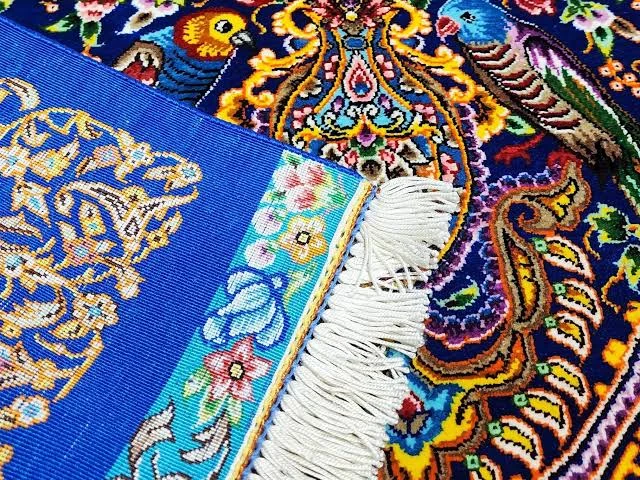
 Collecting
How to Identify an Authentic Persian Carpet: Complete Buyer’s Guide
Learn how to identify an authentic Persian carpet through origin, hand-knotting, natural materials, regional structure, craftsmanship, condition and documentation.

The Persian Royal Rug journal supports buyers who want to understand hand-knotted Persian rugs before selecting or sourcing one. Articles explain weaving regions, materials, knot structure, designs, workshop traditions, condition, care, authenticity and the commercial steps involved in purchasing from Iran.
Our editorial topics follow real questions raised by collectors, private buyers, interior professionals, galleries and trade clients. City guides cover Qom, Tabriz, Isfahan, Nain, Kashan, Kerman, Ardabil and Khorasan without reducing quality to a single measure such as knot count.
Technical guidance helps readers examine pile and foundation materials, edges, symmetry, colour, repairs, signatures and available provenance. The aim is practical buyer education, not invented rankings or guarantees that cannot be supported by the individual carpet.
The journal also explains professional sourcing, inspection, packing, export documentation and international delivery. These articles provide context; each transaction still requires review of the actual piece, destination and current logistics.
Use the guides to refine your requirements, then send dimensions, material, preferred origin, design references, budget and destination. A precise brief allows us to search for a suitable carpet and prepare a documented shortlist.
Collecting
Learn how to identify an authentic Persian carpet through origin, hand-knotting, natural materials, regional structure, craftsmanship, condition and documentation.
 Investment
Explore how age, rarity, condition, provenance, materials and craftsmanship influence the long-term investment potential of authentic Persian carpets.
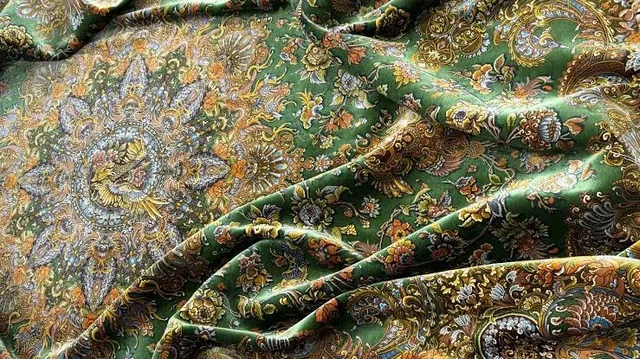 Materials
Discover what distinguishes pure silk Persian carpets, from luminous natural fibres and fine knotting to authenticity, care, condition and lasting artistic value.
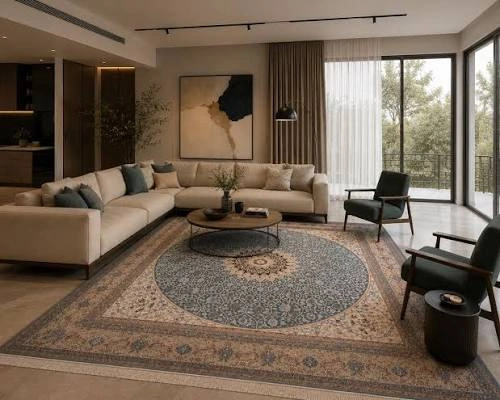 Interiors
Learn how to style authentic Persian rugs in modern interiors through scale, colour, placement, contrast and thoughtful contemporary design.
 The House
Discover how Persian Royal Rug connects family carpet heritage since 1966 with Hamed Khodabakhshi’s international trade experience and global sourcing vision.
 Heritage & Economy
Explore how Persian hand-knotted carpets unite artistic design, regional knowledge, skilled labour, natural materials, cultural value and international commerce.
 Craftsmanship
A practitioner-level guide to Persian hand-knotted carpet weaving, from raw materials and natural dyeing to loom preparation, knotting, finishing and quality control.
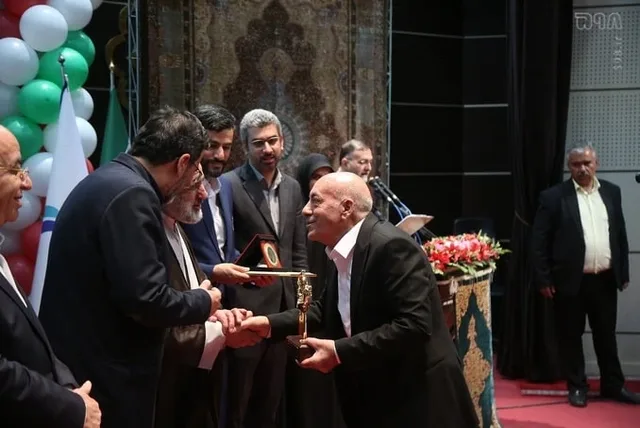 Qom Silk Carpets
A research-based guide to notable Qom silk carpet makers, explaining why construction, materials and individual quality matter beyond commercial reputation.
 Royal & Museum Heritage
Explore the cultural presence of Persian carpets in European royal interiors, from Buckingham Palace to Versailles, and their role as ambassadors of Persian artistry.
 UNESCO Heritage & Buying Guide
Explore authentic Kashan carpets through UNESCO-listed weaving skills, Safavid heritage, Persian knots, materials, attribution, appraisal and informed buying advice.
 Care & Conservation
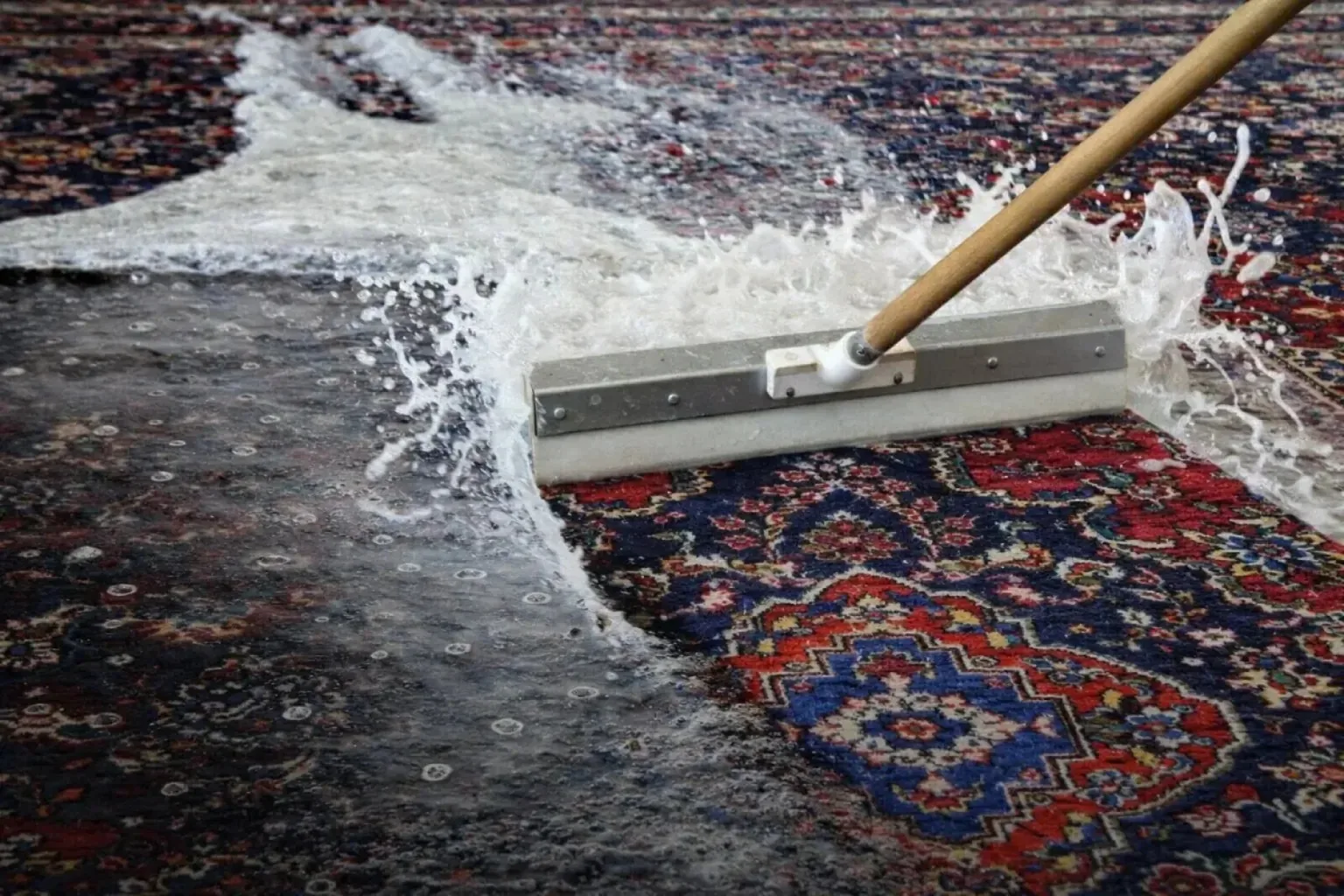
A technical Persian handmade rug care guide covering wool rug washing, stain response, controlled rinsing and drying, Qom silk rug care and long-term preservation.
 Care & Conservation
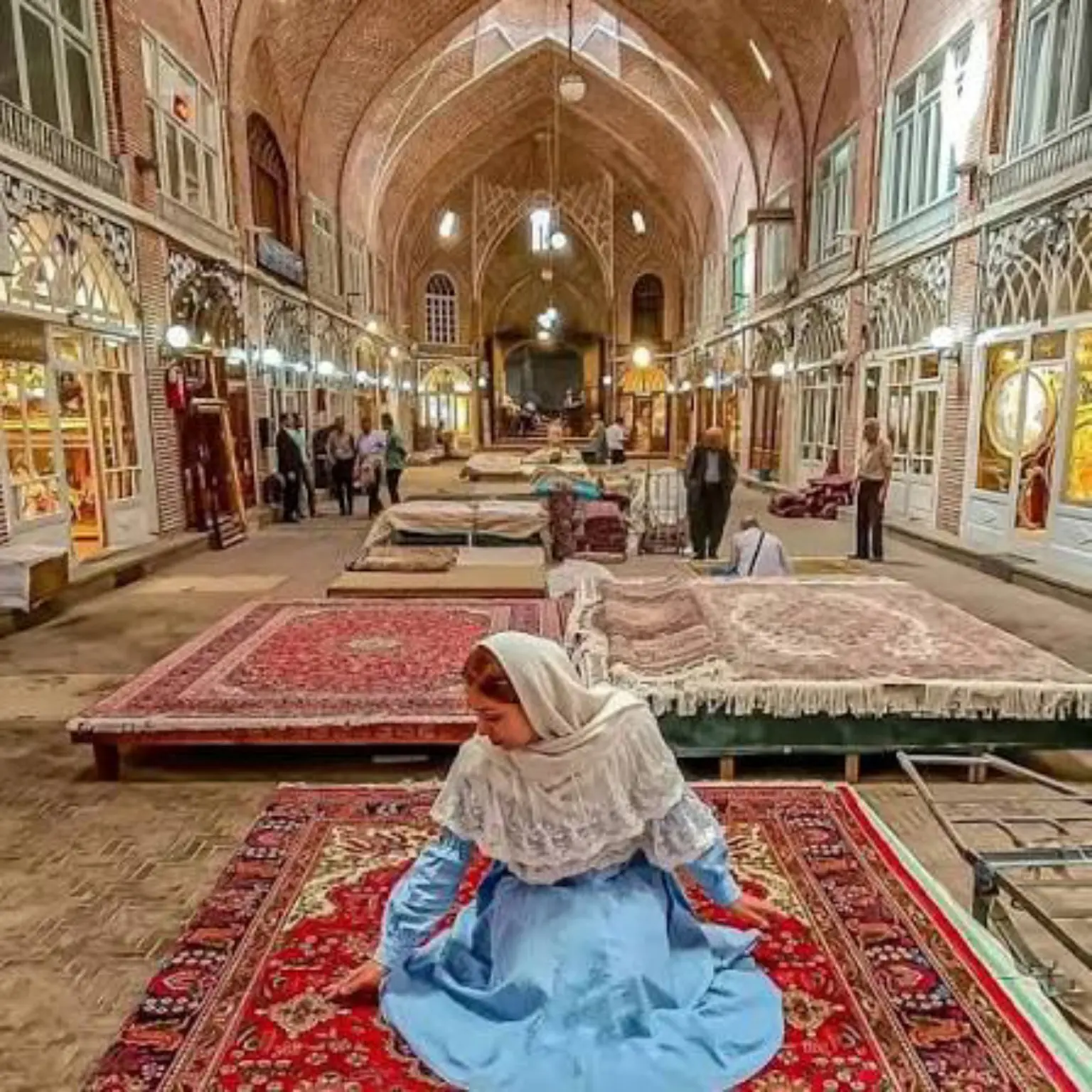
A specialist study of the history, structure, materials, Raj count, designs, master artists, workshops, collector value, sale and international export of Tabriz rugs